
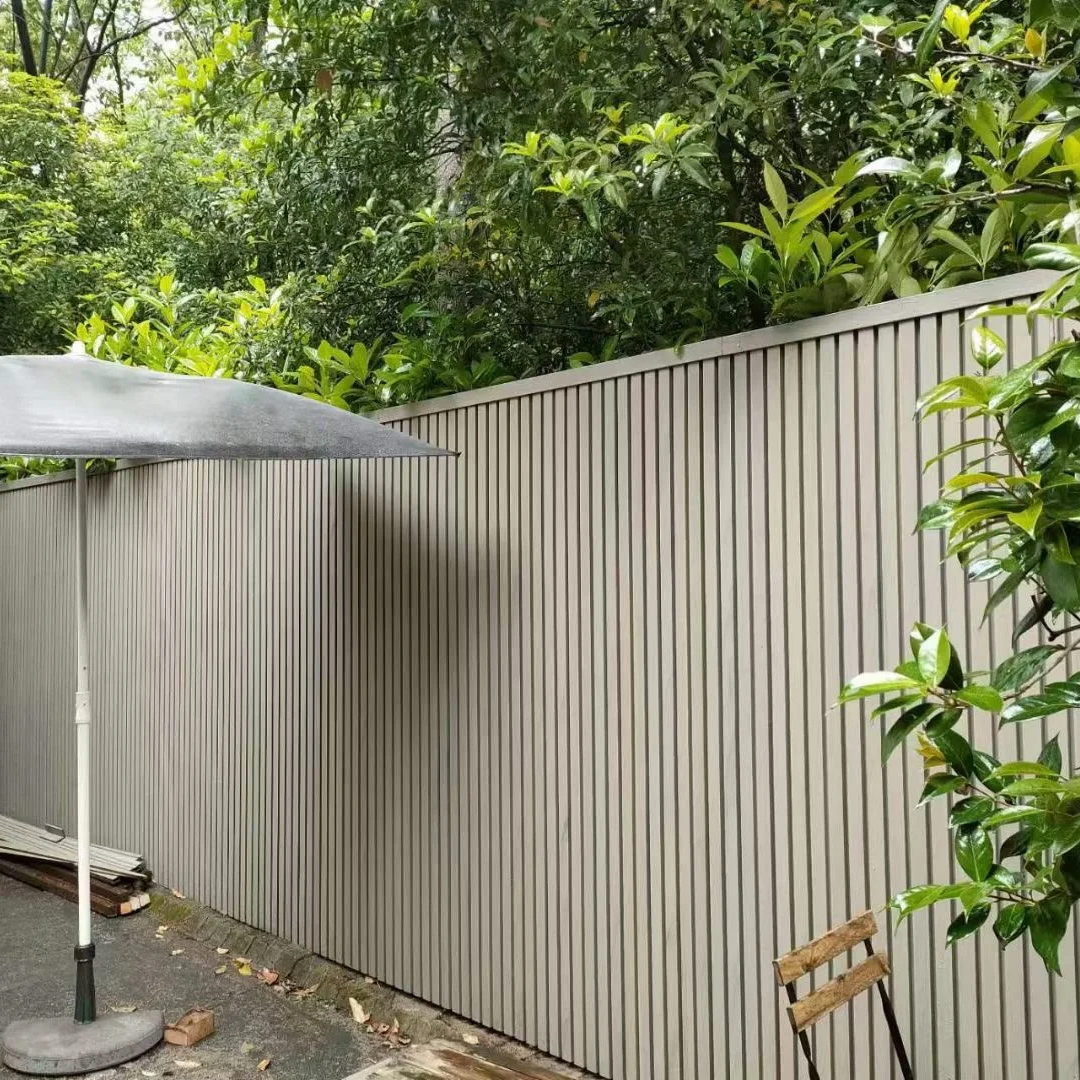
When selecting materials for exterior walls, one of the most common questions from architects, contractors, and buyers is:
“Is WPC cladding truly waterproof?”
The short answer is: WPC cladding is highly water-resistant—but not 100% waterproof in the absolute sense.
Understanding this distinction is essential for making the right decision for your project. In this guide, we’ll break down everything you need to know about WPC cladding’s water performance, real-world applications, and how to choose the right product.
What Does “Waterproof” Mean in Construction Materials?
In the building industry, “waterproof” often gets used loosely. True waterproof materials (like certain plastics or membranes) allow zero water penetration under any condition.
WPC cladding, however, is designed to be:
Water-resistant (resists moisture absorption)
Weatherproof (performs well outdoors over time)
Stable in humid environments
This makes it ideal for exterior applications, even though it is technically not 100% waterproof.
Is WPC Cladding Suitable for Wet Environments?
Yes—WPC cladding performs exceptionally well in wet and humid conditions, including:
Rainy climates
Coastal areas
High-humidity regions
Outdoor walls exposed to water
Unlike natural wood, WPC does not:
Rot
Swell significantly
Grow mold easily (when properly installed)
Why WPC Cladding Resists Water So Well
- Composite Material Structure
WPC is made from a blend of wood fibers and plastic polymers. The plastic component helps prevent water penetration.
- Protective Surface Layer
High-quality WPC cladding often includes a co-extruded protective layer, improving:
Water resistance
Stain resistance
UV stability
- Low Water Absorption Rate
Compared to traditional wood, WPC absorbs significantly less moisture, maintaining structural integrity over time.
WPC Cladding vs Traditional Materials
| Material | Water Resistance | Common Issues |
|---|---|---|
| Natural Wood | Low | Rotting, swelling, cracking |
| Paint/Coated Walls | Medium | Peeling, water damage |
| Metal Panels | High | Corrosion (in some cases) |
| WPC Cladding | High | Minimal maintenance required |
WPC offers one of the best balances between performance, cost, and durability.
Important: Installation Matters
Even the best WPC cladding will fail if installed incorrectly.
To maximize water resistance:
Ensure proper ventilation gaps behind panels
Use a drainage system to prevent water buildup
Install on a stable substructure
Follow professional installation guidelines
Good installation = long-term waterproof performance.
Whether for villa renovation, commercial buildings, or hospitality projects, our WPC systems are engineered for long-term performance.