
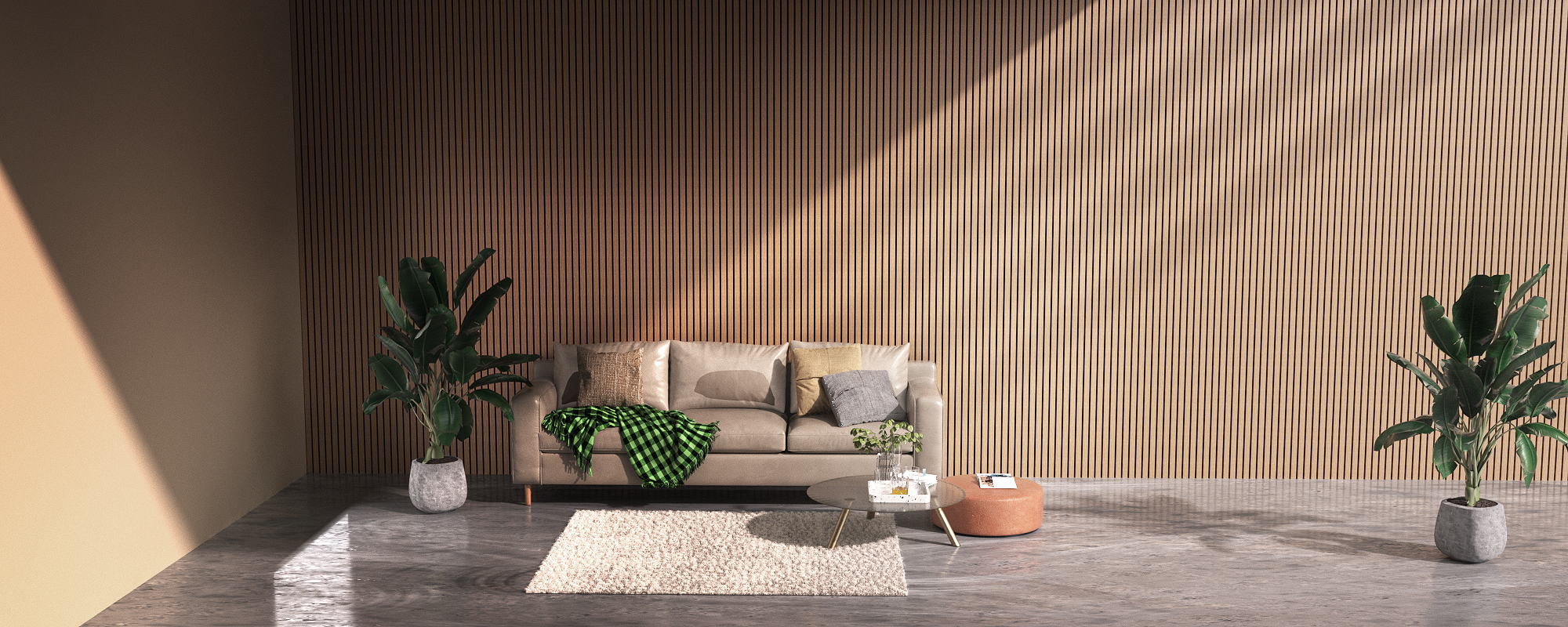
Modern architectural projects increasingly require materials that can solve multiple challenges at once. Acoustic treatment is no longer expected to remain hidden behind ceilings or fabric systems—it is becoming an integrated element of interior design.
Flexible acoustic panels allow architects and designers to maintain clean visual lines while improving the acoustic quality of a space. Their ability to adapt to curved surfaces, feature walls, and custom-built structures makes them a practical solution for projects where conventional rigid panels are difficult to apply.
Adapt to More Than Flat Wall
Contemporary interiors rarely rely on simple rectangular spaces. Curved partitions, reception desks, wave-shaped ceilings, and custom installations are now common in offices, hotels, retail stores, and public buildings.
A flexible acoustic solution offers greater installation possibilities by conforming to complex architectural forms while maintaining a consistent finish. This reduces the need for excessive cutting, segmented installations, or additional decorative materials.
For designers, this means fewer design limitations and greater creative freedom.
Better Acoustics Improve User Experience
Interior materials influence more than appearance—they shape how a space feels and functions.
In environments with excessive sound reflection, conversations become less clear, background noise increases, and occupants often experience greater fatigue over time.
Integrating flexible acoustic panels into walls or ceilings helps create spaces that are:
- Easier for communication
- More comfortable for daily use
- Better suited for focused work
- More welcoming in hospitality environments
Acoustic comfort has become an important part of modern building quality rather than an optional upgrade.
A Material That Supports Contemporary Design
Today’s projects demand consistency across finishes, textures, and architectural details.
Flexible acoustic panels are increasingly specified because they integrate naturally with materials such as:
- Wood veneer
- WPC decorative panels
- Stone surfaces
- Metal accents
- Minimalist painted walls
Instead of competing with surrounding materials, they contribute to a cohesive interior language while adding functional value.
Suitable for Projects of Every Scale
Whether applied to a single feature wall or across an entire commercial development, flexible acoustic panels offer reliable performance with efficient installation.
They are widely specified in:
- Corporate offices
- Hotels
- Educational facilities
- Healthcare environments
- Retail spaces
- Residential interiors
- Entertainment venues
Their versatility allows one material system to serve multiple project types without sacrificing design consistency.
Designed for Long-Term Performance
Project materials should continue performing long after installation.
High-quality flexible acoustic panels are engineered to maintain dimensional stability, resist everyday wear, and require minimal maintenance. Combined with efficient installation and lightweight construction, they help reduce both installation costs and long-term maintenance requirements.
For contractors and developers, this translates into improved project efficiency and dependable lifecycle performance.
Build Better Spaces with ECOUPP
At ECOUPP, we develop flexible acoustic panel solutions that combine architectural aesthetics with practical acoustic performance. Our products are designed to support designers, contractors, distributors, and project developers looking for dependable materials across residential and commercial applications.
With customization options, stable manufacturing capacity, and global export experience, ECOUPP helps transform innovative design concepts into high-quality finished spaces.
Conclusion
Great interiors are defined not only by how they look, but also by how they sound. Flexible acoustic panels provide designers with greater freedom to create distinctive spaces while delivering the acoustic comfort expected in modern architecture.
As projects continue to prioritize both aesthetics and user experience, flexible acoustic solutions have become an essential material for building environments that are visually refined, acoustically balanced, and built to last.