
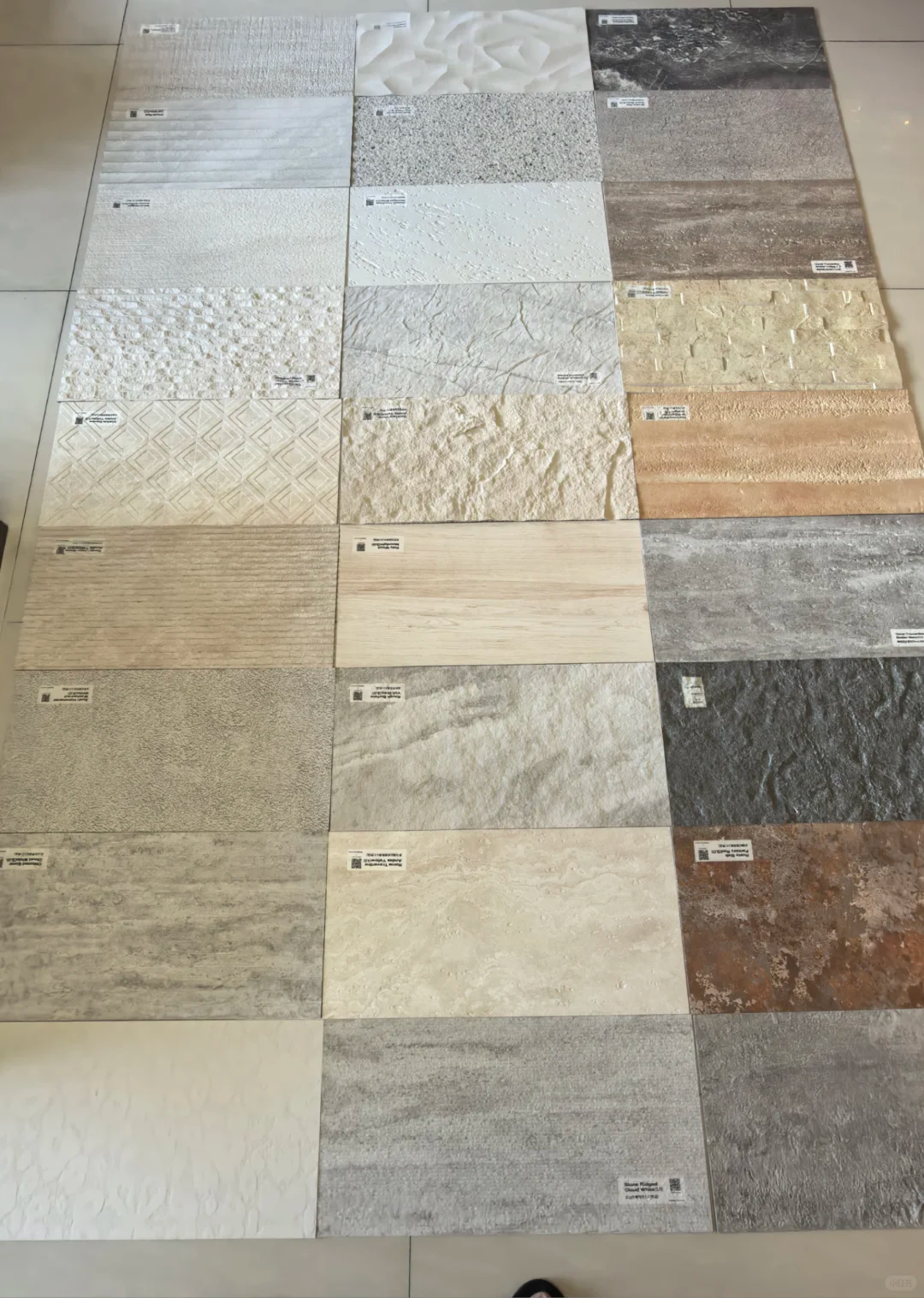
As modern construction trends shift toward lightweight and efficient materials, flexible stone has emerged as an innovative solution for both interior and exterior applications. Combining the authentic look of natural stone with superior flexibility and ease of installation, it offers a smart alternative to traditional stone materials.
Natural Stone Look with Flexible Design
Flexible stone preserves the texture, color variation, and visual depth of real stone, bringing a natural and elegant finish to any space. Its ability to bend and adapt to curved or irregular surfaces opens up new design possibilities that rigid materials cannot achieve.
Lightweight for Easy Handling
One of the biggest advantages of flexible stone is its lightweight structure, which significantly reduces transportation and installation challenges. Compared to traditional stone slabs, it is easier to carry, cut, and apply, making it ideal for both small projects and large-scale developments.
Despite its lightweight nature, flexible stone is engineered for durability. It offers strong resistance to daily wear, environmental conditions, and aging, ensuring long-term performance in various applications.
Key features include:
Crack-resistant and flexible structure
Suitable for indoor and outdoor use
Low maintenance requirements
Stable performance over time
Versatile Applications
Flexible stone is highly adaptable and can be used across multiple scenarios, including:
Interior feature walls and decorative surfaces
Exterior facades and architectural cladding
Commercial spaces such as retail stores and showrooms
Renovation projects requiring lightweight materials
Its flexibility makes it especially suitable for curved walls, columns, and creative design elements.
Flexible stone delivers the ideal combination of lightweight structure, natural aesthetics, and practical durability. Whether used in interior design or exterior architecture, it provides a modern, efficient solution for projects that demand both style and performance.