
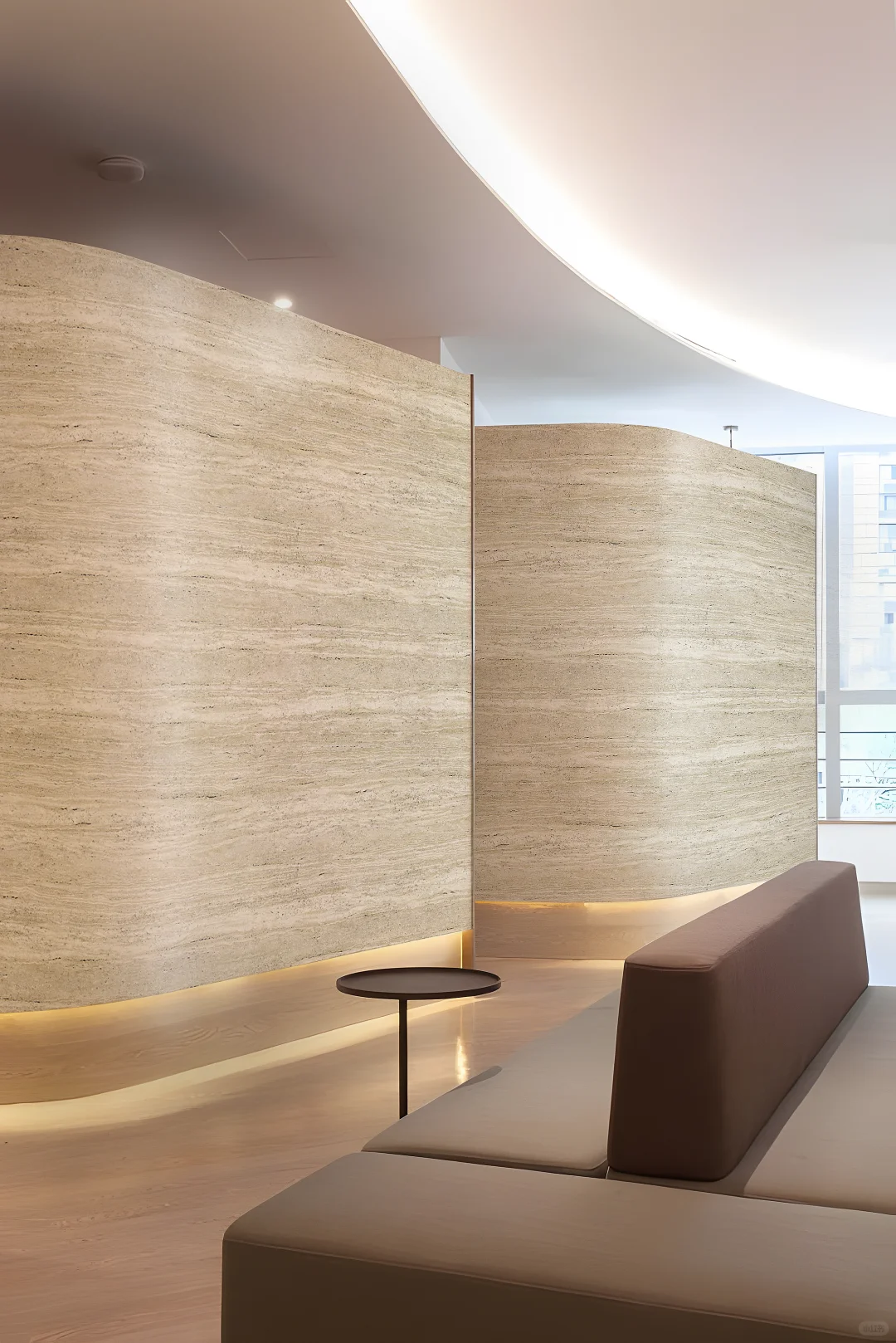
Natural stone has long been valued for its timeless appearance, but its weight, installation complexity, and transportation costs often present challenges for modern construction. As projects demand faster installation and more efficient materials, flexible stone panels have become an increasingly popular alternative.
Behind every high-quality panel is a manufacturing process focused on consistency, durability, and architectural performance. Understanding how flexible stone panels are produced can help architects, contractors, and distributors choose the right material for their projects.
Precision Manufacturing Makes the Difference
The performance of flexible stone panels depends largely on the quality of the manufacturing process.
From raw material selection to final inspection, each production stage is designed to ensure that every panel delivers consistent color, texture, flexibility, and durability.
A professional factory typically controls:
- Surface texture consistency
- Panel thickness tolerance
- Flexibility performance
- Adhesion strength
- Dimensional accuracy
- Final quality inspection
Strict production standards reduce variation between batches and improve installation efficiency on large projects.
Built for Efficient Project Delivery
Compared with traditional natural stone, flexible stone panels simplify many stages of project execution.
Their lightweight construction offers practical advantages throughout the supply chain:
- Lower transportation costs
- Easier on-site handling
- Faster installation
- Reduced structural load
- Less material waste
These benefits are especially valuable for international construction projects, high-rise buildings, renovations, and commercial developments where logistics and labor costs play a significant role.
Designed for More Creative Applications
Modern architecture increasingly incorporates curved walls, columns, decorative façades, and custom interior features that are difficult to achieve with conventional stone slabs.
Flexible stone panels expand design possibilities by adapting to a wider range of surfaces, including:
- Curved feature walls
- Cylindrical columns
- Reception counters
- Interior partitions
- Exterior façades
- Ceiling accents
- Furniture cladding
This versatility allows designers to achieve the appearance of natural stone while reducing many of the limitations associated with traditional materials.
Consistent Appearance Across Every Project
For architects and developers, visual consistency is essential.
A reliable manufacturing process ensures that each production batch maintains similar color, texture, and surface quality, helping large projects achieve a unified appearance from installation through completion.
Whether used in hotels, apartments, offices, or retail spaces, consistent material quality contributes to a more professional finished result.
Quality Control at Every Stage
Professional manufacturers implement multiple quality inspections before products leave the factory.
Typical inspections include:
- Surface appearance evaluation
- Thickness measurement
- Flexibility testing
- Bonding strength verification
- Packaging inspection
Comprehensive quality control minimizes installation issues and improves product reliability throughout transportation and construction.
Supporting Global Construction Projects
Flexible stone panels are increasingly specified across a variety of architectural applications because they balance appearance, efficiency, and practicality.
Common project types include:
- Residential developments
- Commercial buildings
- Hotels
- Restaurants
- Retail stores
- Villas
- Office interiors
- Exterior decorative walls
Their combination of lightweight construction and natural stone aesthetics makes them suitable for both new construction and renovation projects.