
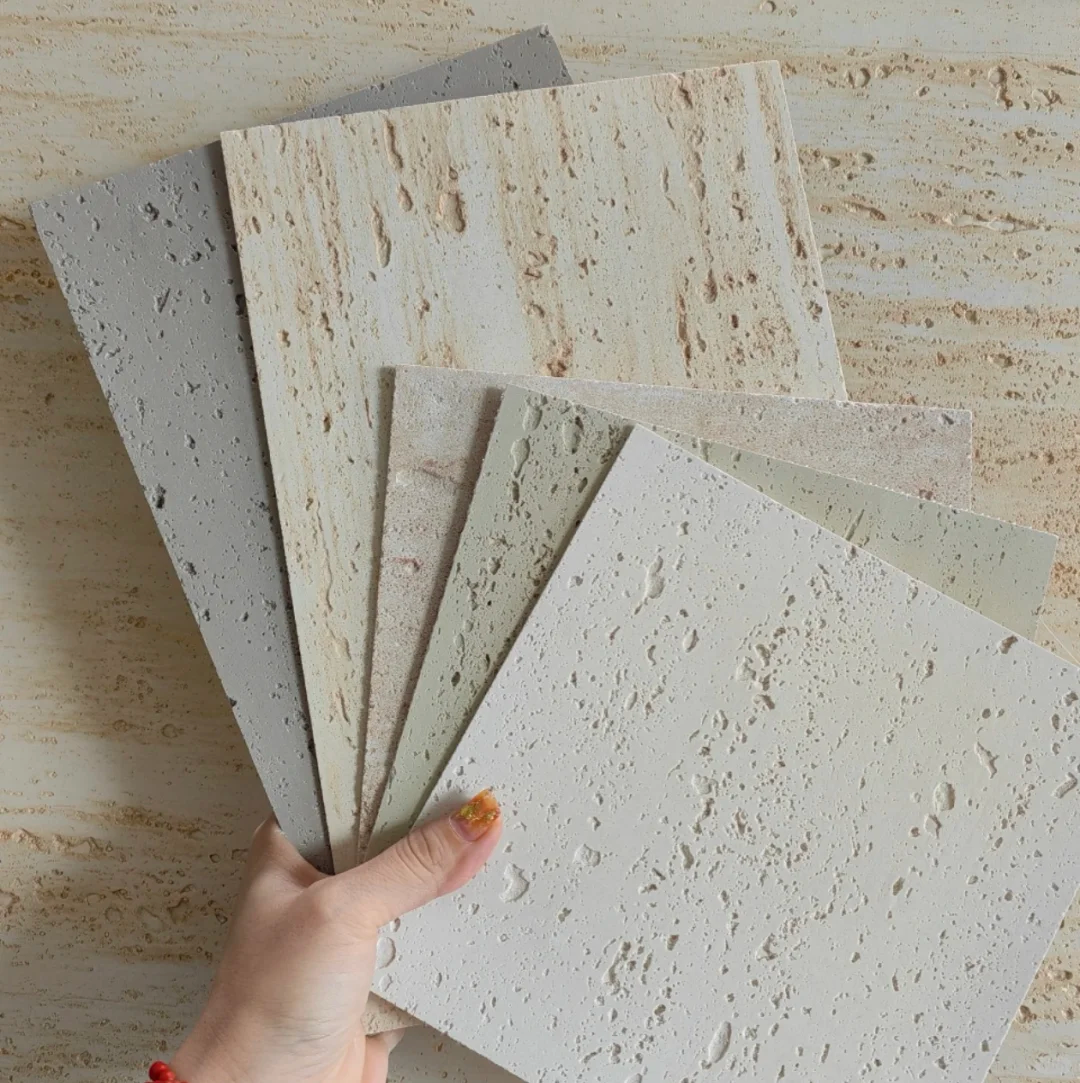
Flexible stone has become an increasingly popular decorative material in modern architecture and interior design. Compared with traditional natural stone, flexible stone offers better installation flexibility, lighter weight, and wider application possibilities while still maintaining a realistic stone appearance.
Because of its practical performance and decorative versatility, flexible stone is widely used in residential, commercial, and exterior projects.
Here are the main functional advantages of flexible stone in modern construction and interior applications.
- Lightweight Decorative Solution
One of the biggest functions of flexible stone is reducing structural load.
Traditional stone materials are often heavy and difficult to transport or install. Flexible stone is much lighter, making it suitable for:
High-rise buildings
Renovation projects
Interior wall systems
Large decorative surfaces
Its lightweight structure also helps reduce installation difficulty and labor costs.
- Flexible Installation on Curved Surfaces
Unlike traditional stone slabs or tiles, flexible stone can bend and adapt to curved surfaces.
This allows installation on:
Curved walls
Columns
Arched structures
Special-shaped decorative areas
The flexibility provides greater design freedom for modern architectural projects.
- Realistic Stone Appearance
Flexible stone maintains the texture and visual effect of natural stone while offering easier installation and handling.
Popular surface styles include:
Travertine textures
Sandstone effects
Slate appearances
Concrete-look finishes
This makes it suitable for projects seeking natural aesthetics without the weight and complexity of real stone.
- Waterproof and Moisture Resistant
High-quality flexible stone products are designed with good moisture resistance, making them suitable for:
Bathrooms
Kitchen walls
Exterior facades
Humid environments
Its waterproof performance also helps improve long-term durability in changing weather conditions.
- Easy Installation and Faster Construction
Flexible stone is easier to cut and install compared with traditional stone materials.
Installation advantages include:
Faster project completion
Reduced labor requirements
Lower transportation costs
Easier handling on-site
For renovation and commercial projects, this can significantly improve construction efficiency.
- Suitable for Interior and Exterior Applications
Flexible stone can be used across a wide range of environments.
Interior Applications
Feature walls
TV background walls
Ceiling decoration
Commercial interiors
Hotel projects
Exterior Applications
Building facades
Balcony walls
Outdoor decorative surfaces
Commercial exterior systems
Its weather-resistant structure makes it suitable for long-term outdoor use.
- Crack Resistance and Durability
Compared with some rigid stone materials, flexible stone is less likely to crack during transportation or installation.
Its flexibility helps improve:
Impact resistance
Installation adaptability
Surface durability
This is especially useful for projects involving irregular surfaces or large decorative areas.
- Low Maintenance Requirements
Flexible stone surfaces are generally easy to maintain.
Routine cleaning is usually sufficient to maintain appearance, making it practical for:
Commercial spaces
Residential interiors
High-traffic areas
Its low maintenance performance helps reduce long-term upkeep costs.
Flexible stone combines the appearance of natural stone with the practical advantages of lightweight and flexible materials. Its functions go beyond decoration, offering improved installation efficiency, moisture resistance, durability, and wider design adaptability.
From interior feature walls to exterior architectural applications, flexible stone provides a modern solution for projects that require both visual appeal and practical performance.
As modern construction increasingly focuses on lightweight and efficient materials, flexible stone continues to become a valuable option for contemporary architectural and interior design projects.