In modern interior design, feature walls are no longer just decorative elements—they play an important role in shaping both atmosphere and functionality.
A wooden acoustic panel feature wall is a perfect example of how aesthetics and acoustic performance can work together seamlessly.
Whether in residential or commercial spaces, wooden acoustic panels help create interiors that look refined and feel comfortable.
Why Choose Wooden Acoustic Panels for a Feature Wall?
Compared with conventional decorative walls, wooden acoustic panel feature walls offer clear advantages:
- Absorb echo and improve indoor acoustics
- Natural wood textures add warmth and visual depth
- Combine decoration and sound control in one solution
- Timeless design suitable for various interior styles
For this reason, they are widely used in living rooms, meeting rooms, home theaters, hotels, and office spaces.
Popular Wooden Acoustic Panel Feature Wall Design Ideas
1. Vertical Slat Design to Enhance Height
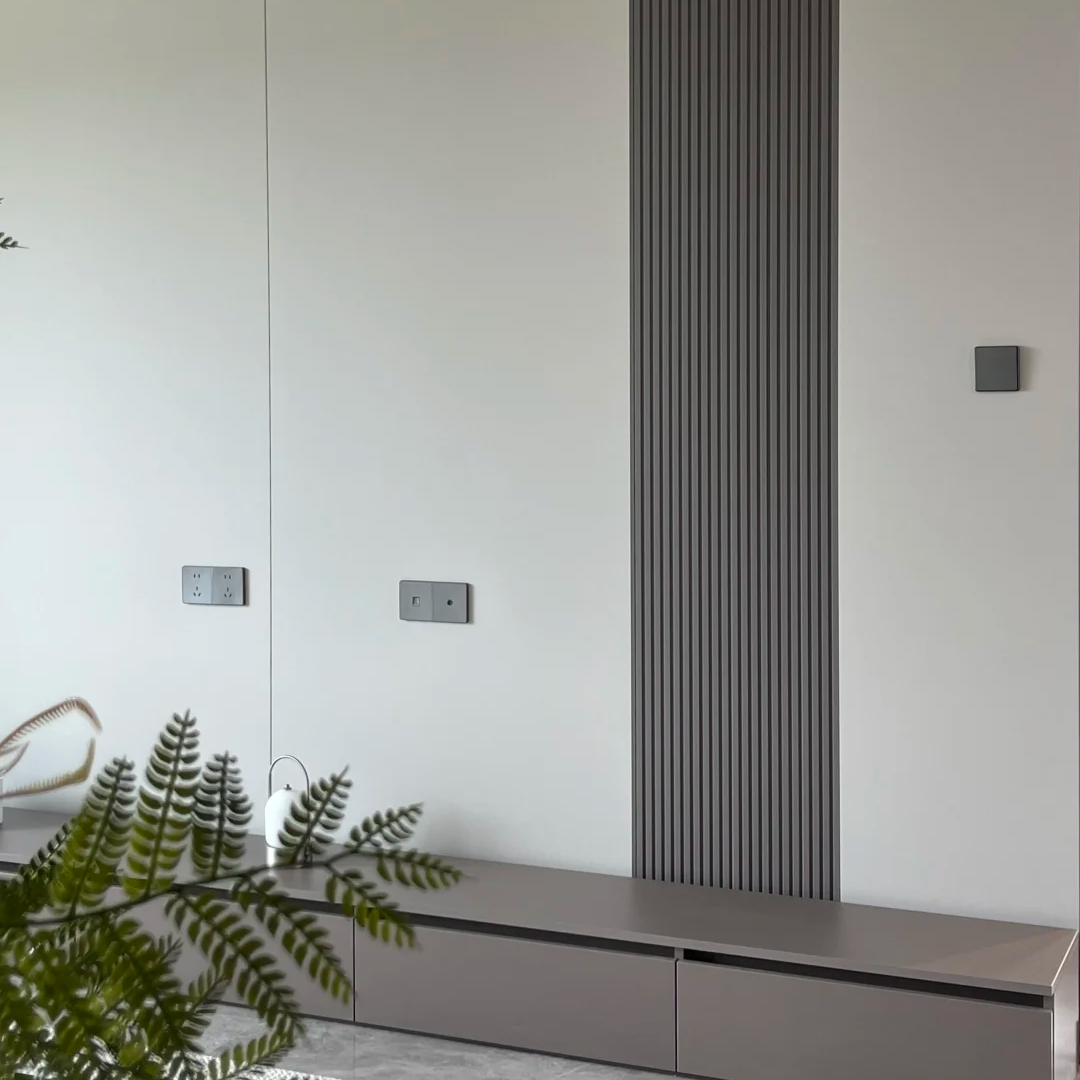
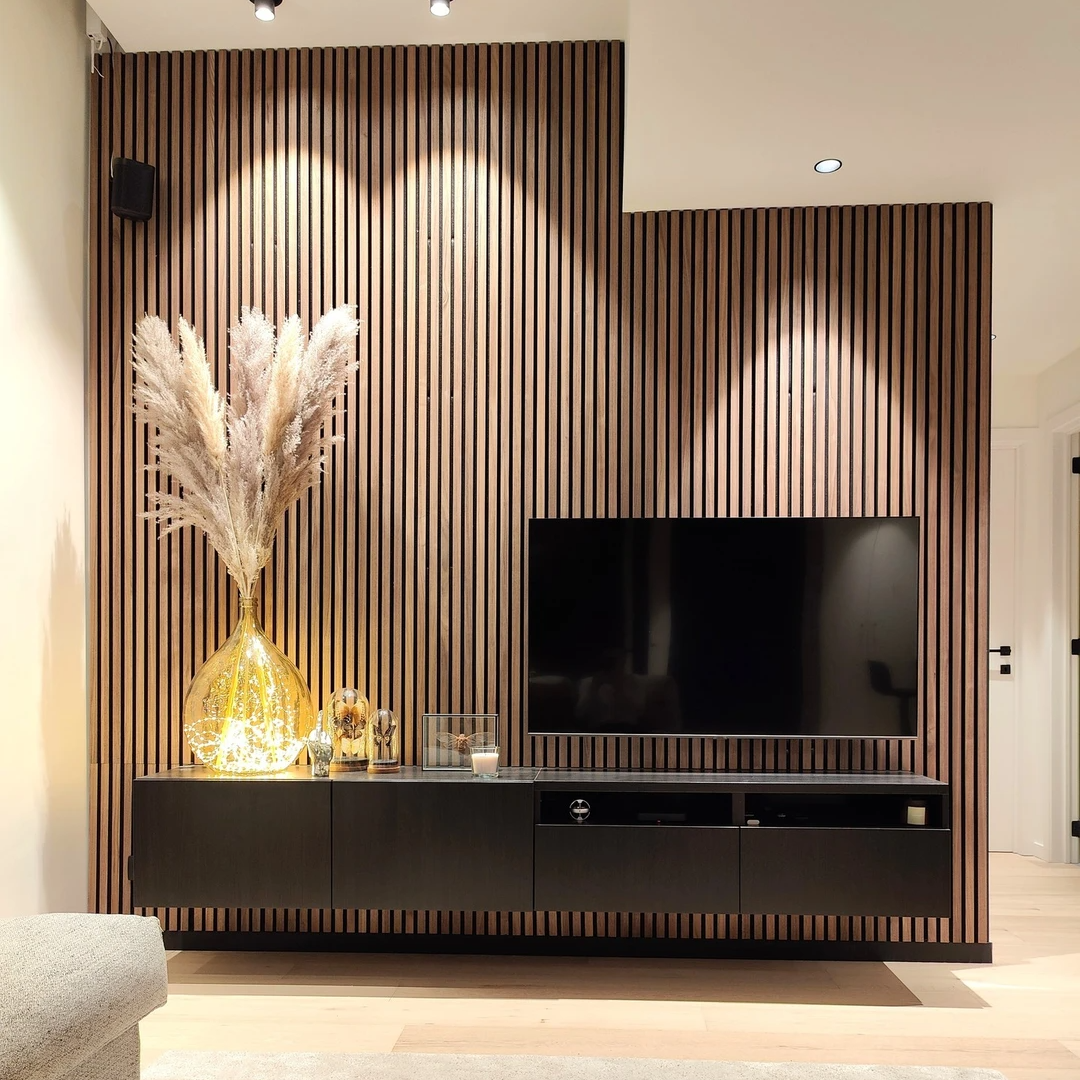
Vertically arranged wooden acoustic panels visually extend wall height, making spaces feel taller and more balanced.
When combined with warm lighting, the result is a clean, structured, and premium look.
Ideal for: Living room feature walls, meeting rooms, reception areas
2. Mixing Wood Tones for Depth and Contrast
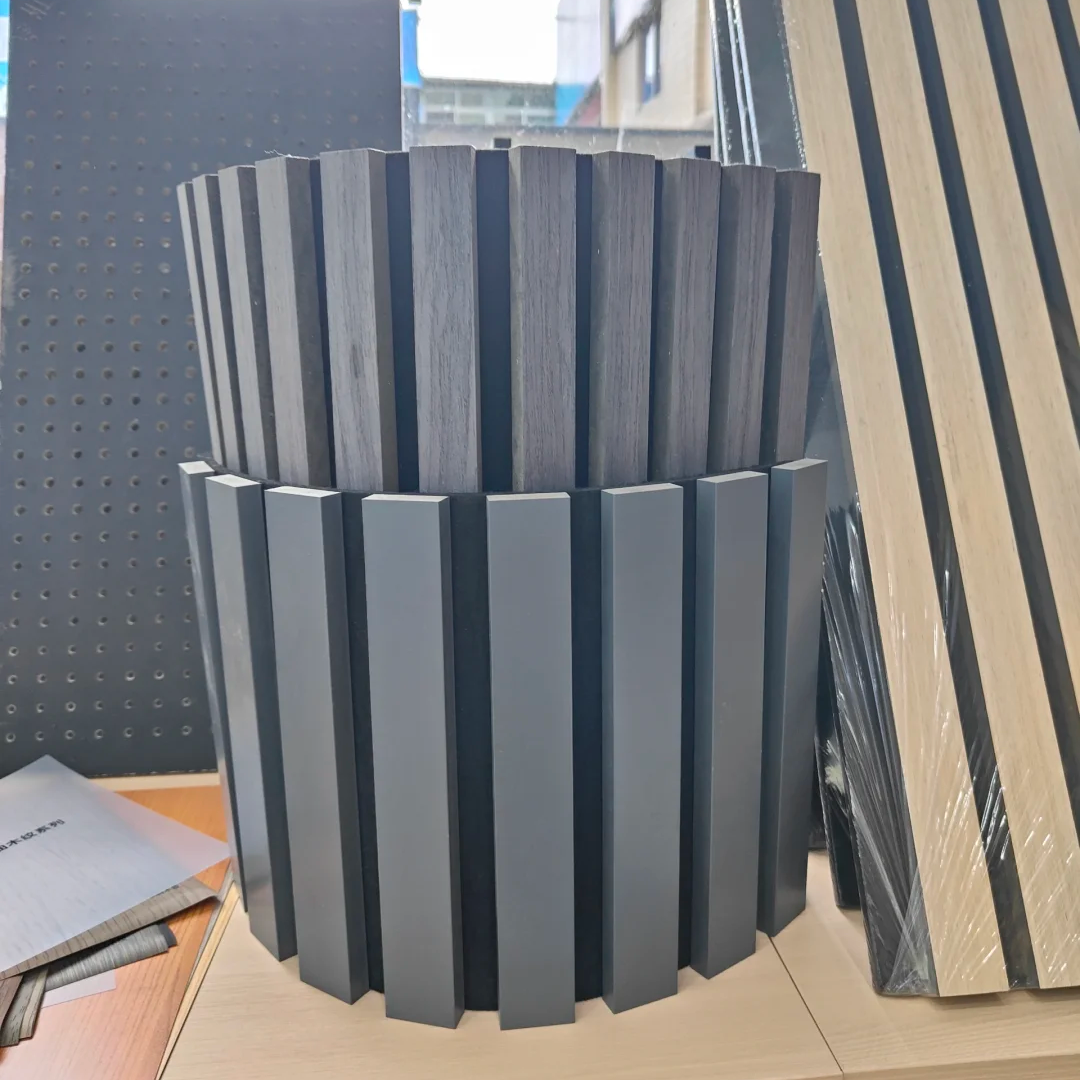
Using different shades of wood—or subtle variations within the same color family—adds rhythm and dimension to the wall without overwhelming the space.
Ideal for: TV feature walls, commercial display areas
3. Wooden Acoustic Panels with Integrated Lighting
Adding concealed LED strips between panels or along edges enhances linear design and creates a strong ambient effect at night.
This approach is especially popular in hospitality and entertainment spaces.
Ideal for: Home theaters, hotel rooms, lounges
4. Full-Wall Acoustic Panel Coverage for Maximum Impact
Covering an entire wall with wooden acoustic panels maximizes sound absorption while creating a calm, immersive environment.
Ideal for: Meeting rooms, recording studios, open-plan offices
5. Mixing Wood with Stone or Textured Finishes
Combining wooden acoustic panels with stone, microcement, or decorative coatings balances warm and cool materials, adding architectural interest.
Ideal for: High-end residences, commercial interiors, designer projects
Key Design Considerations for Wooden Acoustic Panel Feature Walls
When planning a wooden acoustic panel wall, keep these points in mind:
- Avoid overly dark colors that may feel heavy
- Panel spacing and thickness affect acoustic performance
- Choose absorption levels based on the room’s function
- Pay attention to lighting integration, power outlets, and edge finishing
Thoughtful detailing is what elevates the final result.
The core idea behind wooden acoustic panel feature wall design is achieving quietness without visual monotony.
By combining sound absorption with natural materials, clean lines, and lighting, wooden acoustic panels create interiors that are both functional and visually refined.
If you are looking for a wall solution that balances acoustic comfort with modern design, wooden acoustic panel feature walls are well worth considering.